The Room That's Ready
A film for The Last Preventable Death, the 2026 Scudder Oration on Trauma of the American College of Surgeons.
Made for Dr. Michael Rotondo, from his treatment. Directed, produced, and edited by Eli Harrigan.
3 minutes 30 seconds. No narration. Nothing photographed.
The film
Dr. Michael Rotondo is a trauma surgeon and professor of surgery at the University of Rochester. In 2026 he gave the Scudder Oration on Trauma, a named lecture of the American College of Surgeons, to about a thousand trauma surgeons. The talk asks what digital transformation could do for injury care, and he wanted the room to see it rather than hear it described: a short photoreal film, believable to people who have spent their careers in trauma bays, that makes his argument without a narrator.
He supplied the treatment, the clinical logic, and the names of the systems in his talk. I wrote the shot list, designed the world, generated every frame, built the screens, cut the film, and worked the sound. After he screened the first cut for colleagues, he reordered the middle of his lecture around it. The film plays before he explains the systems in it, so the audience sees them work before they hear what they are.
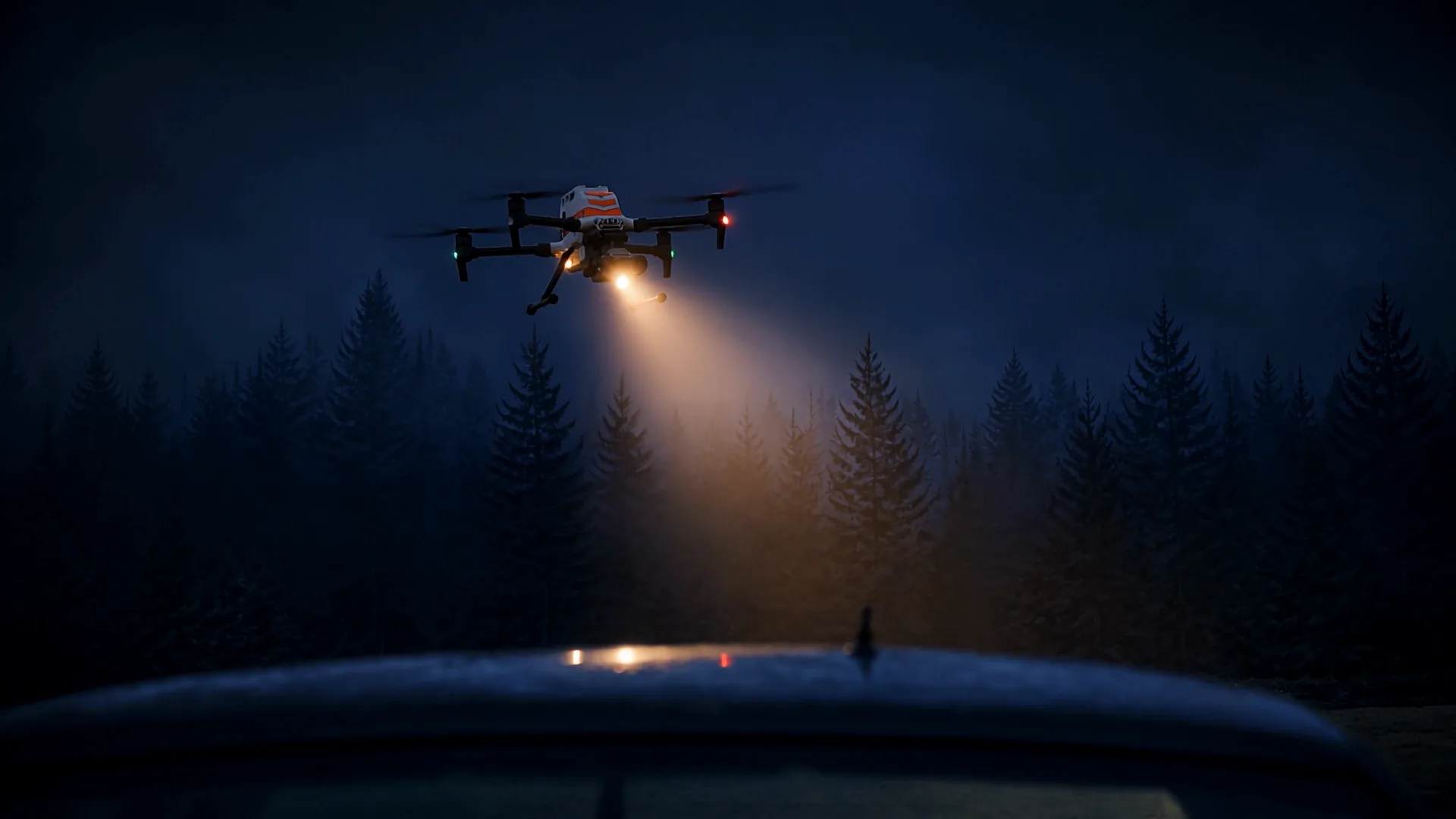
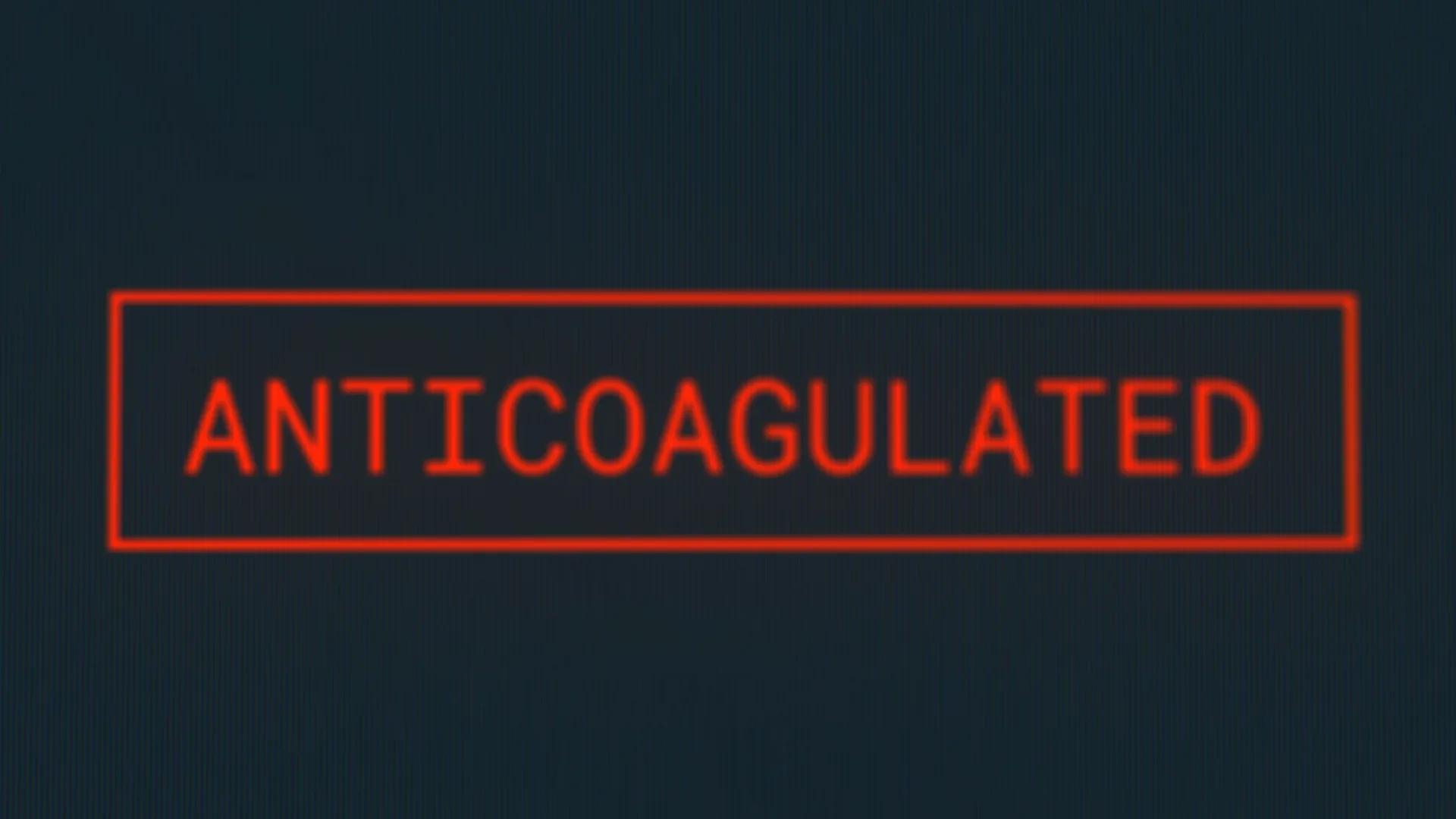
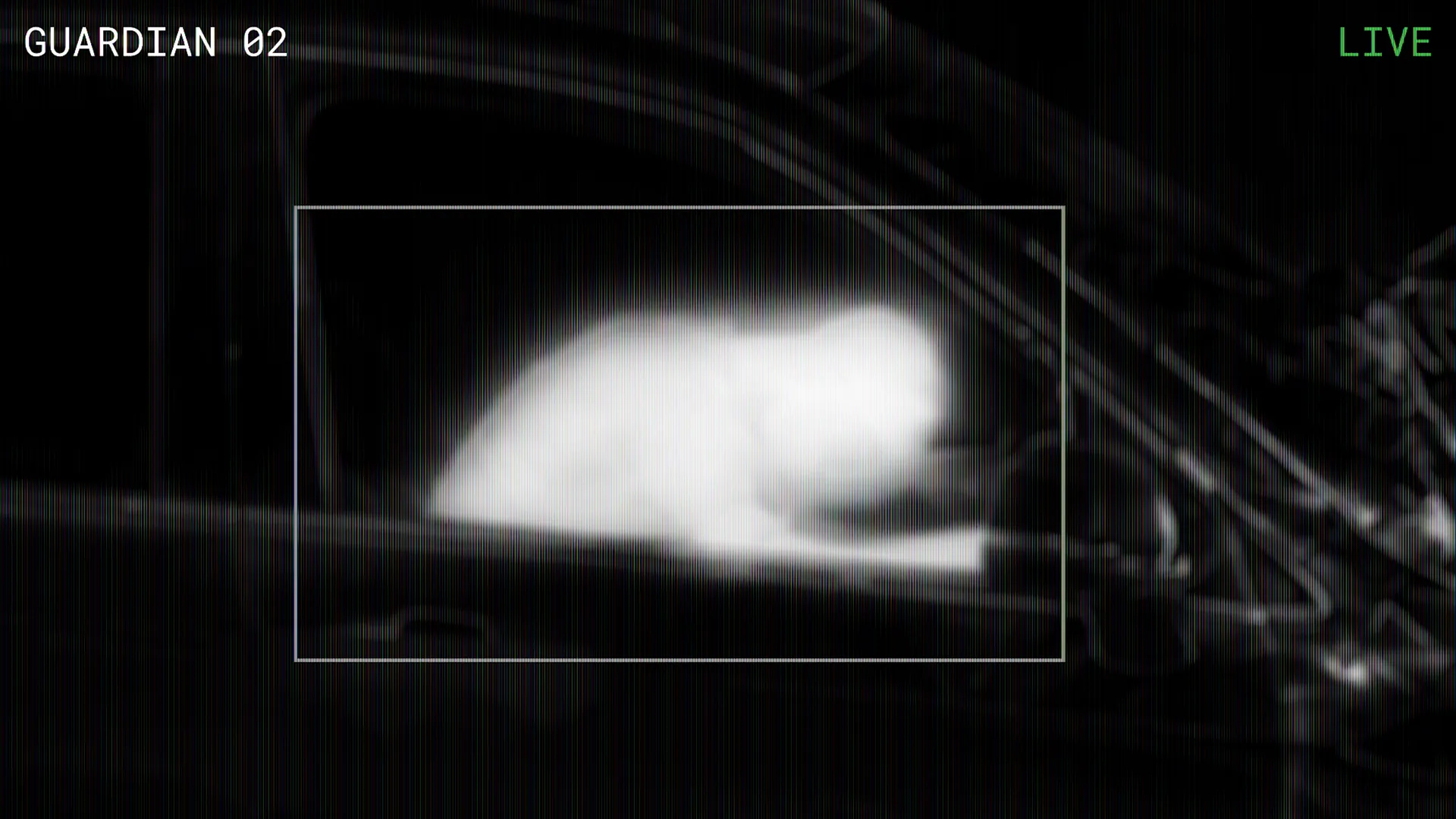
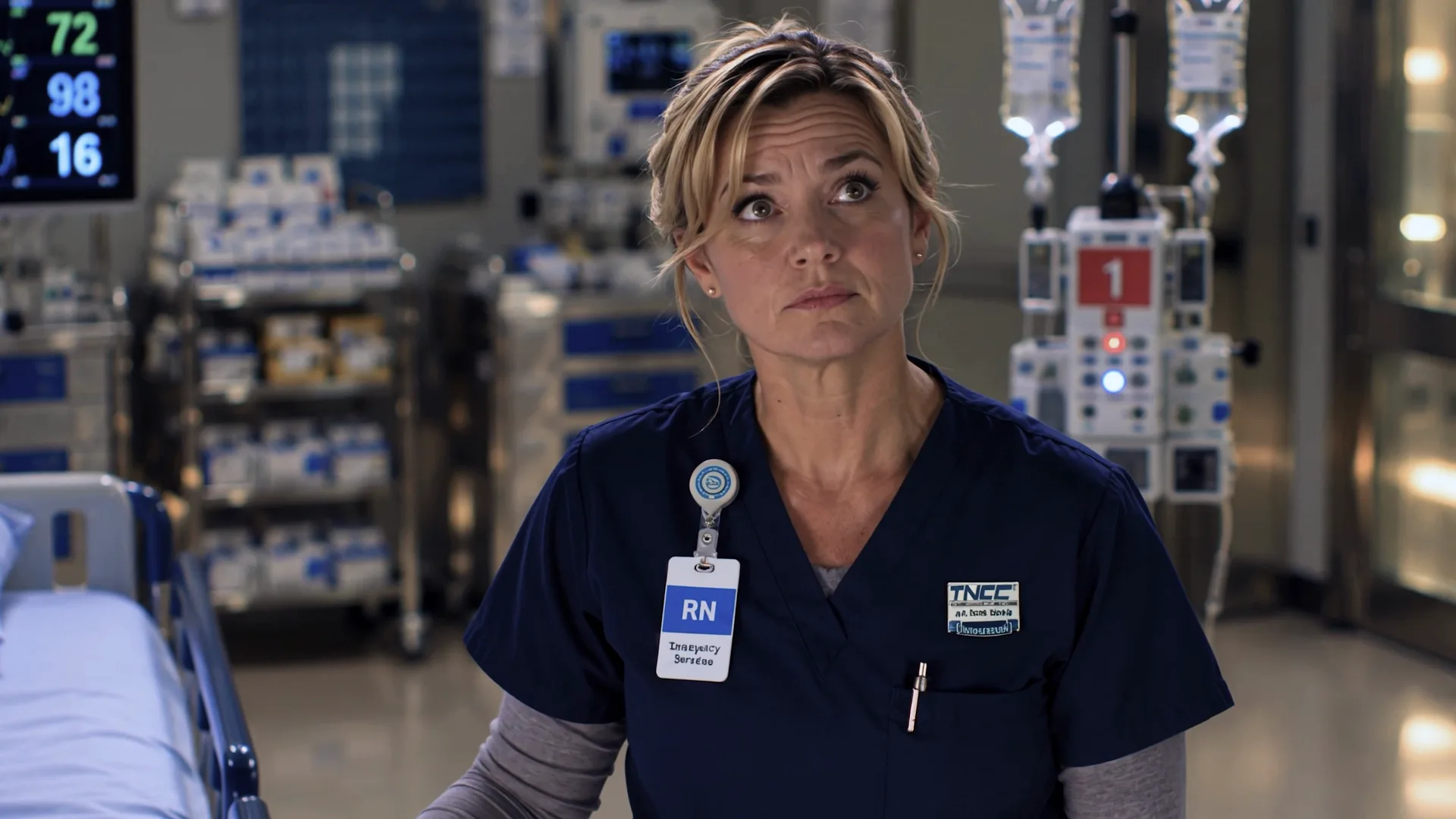
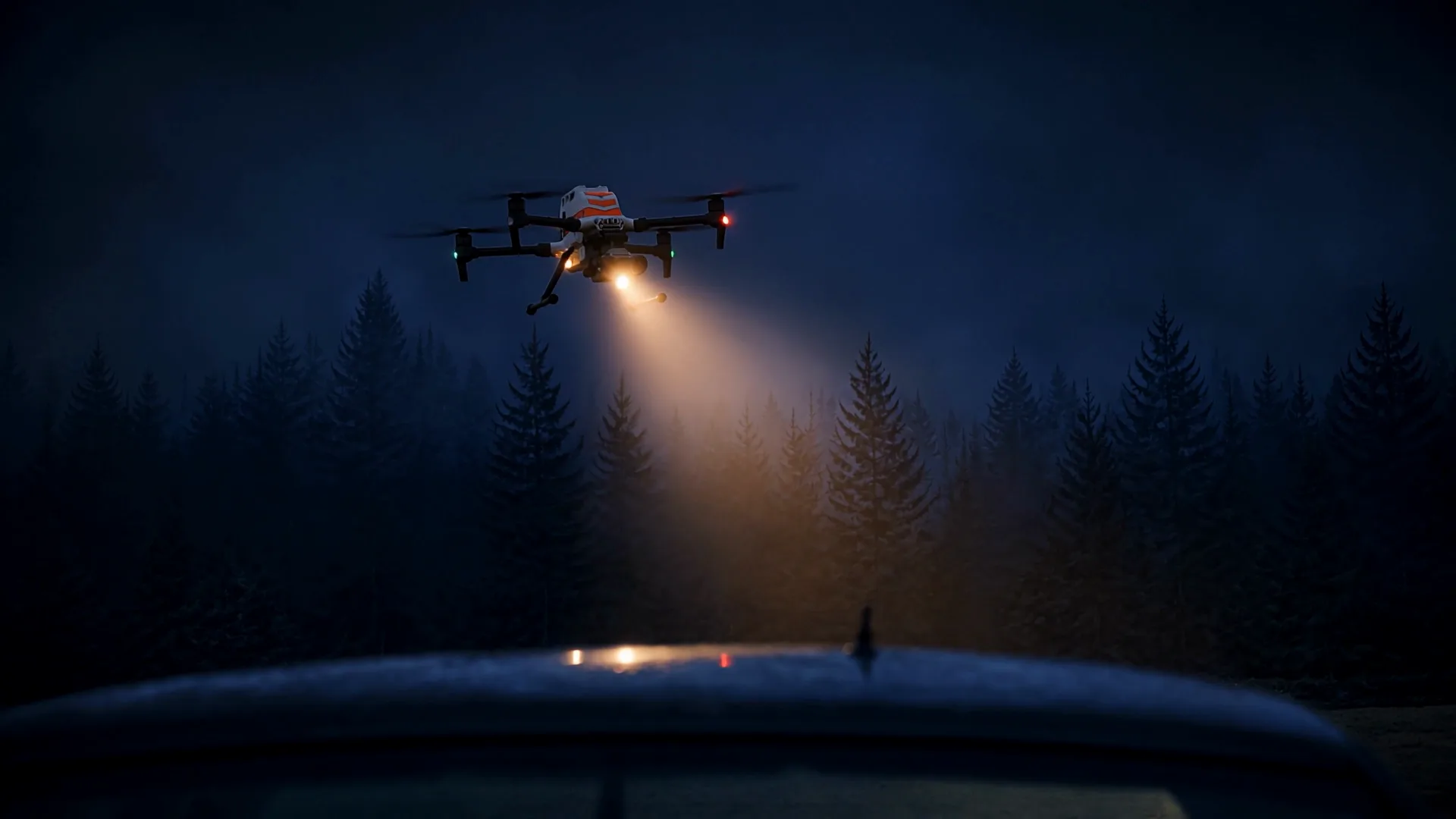
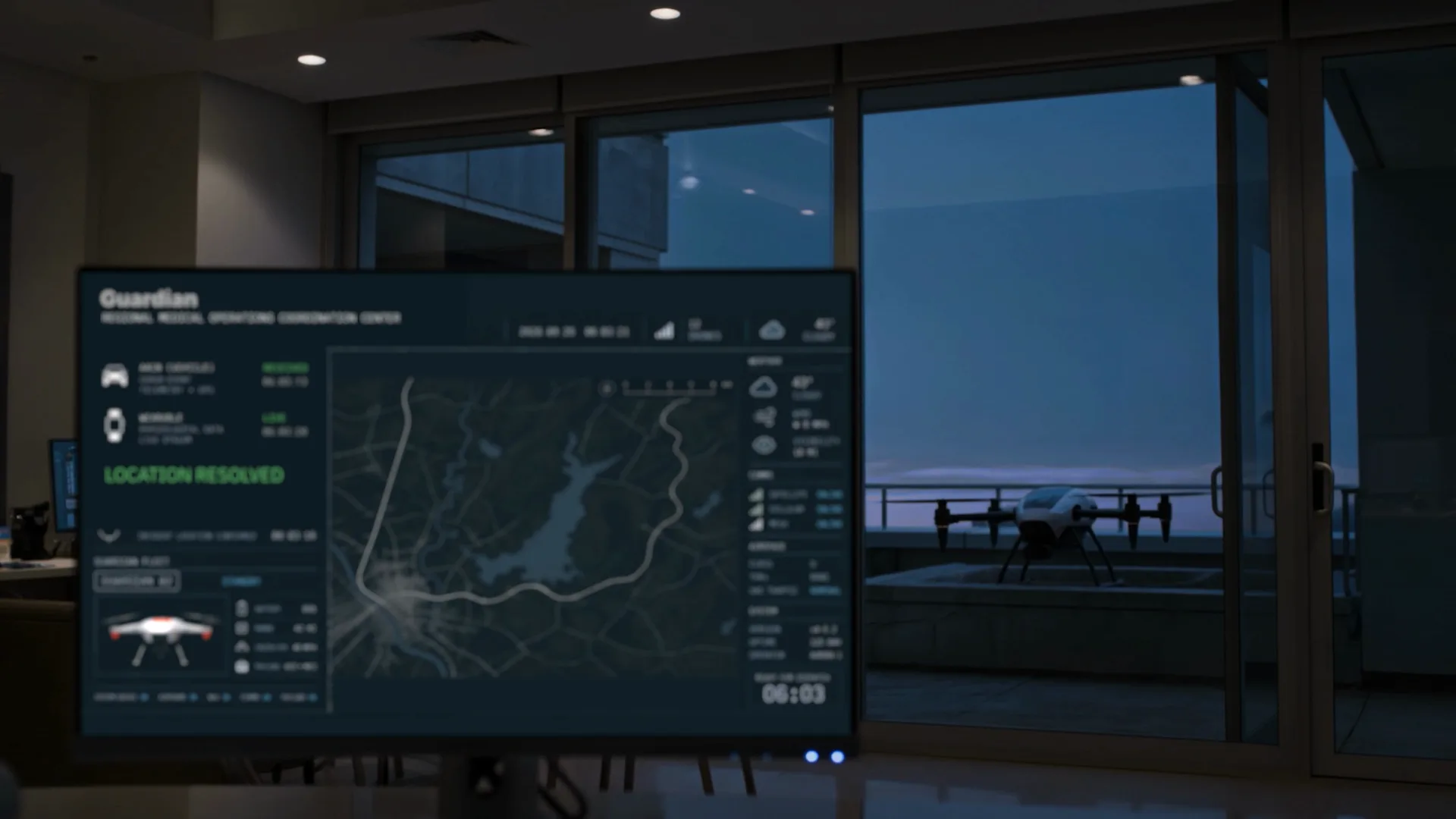
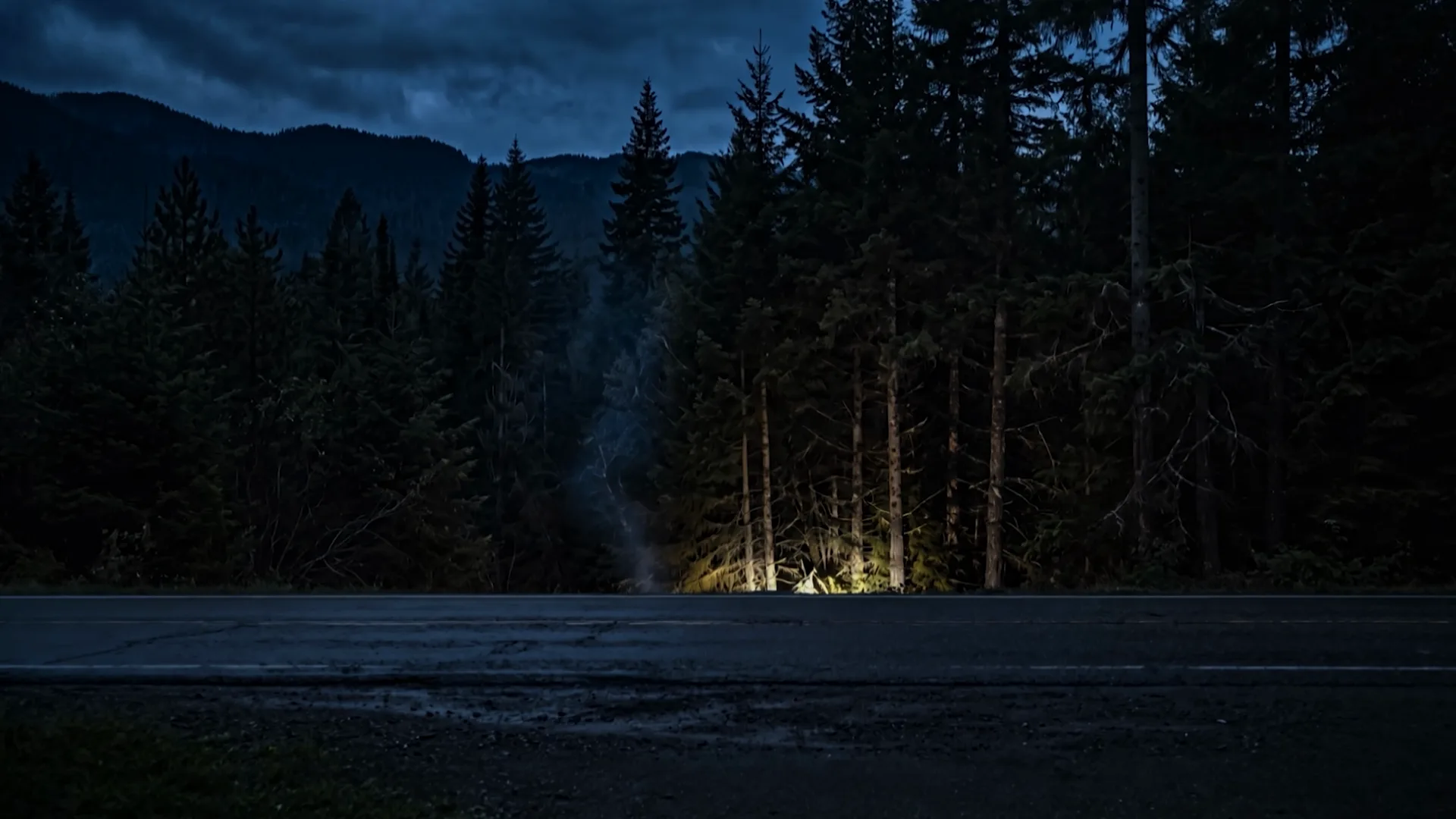
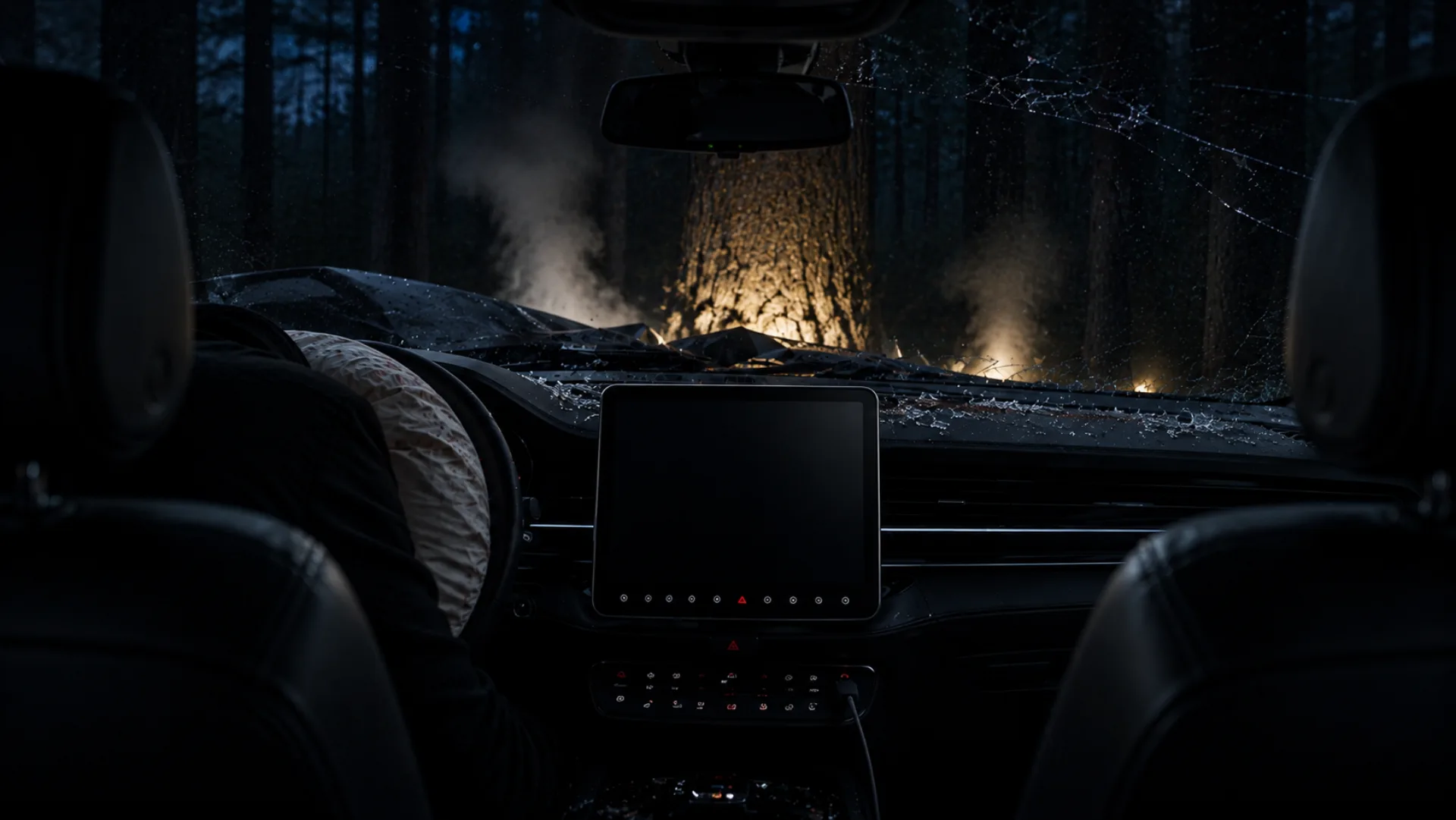
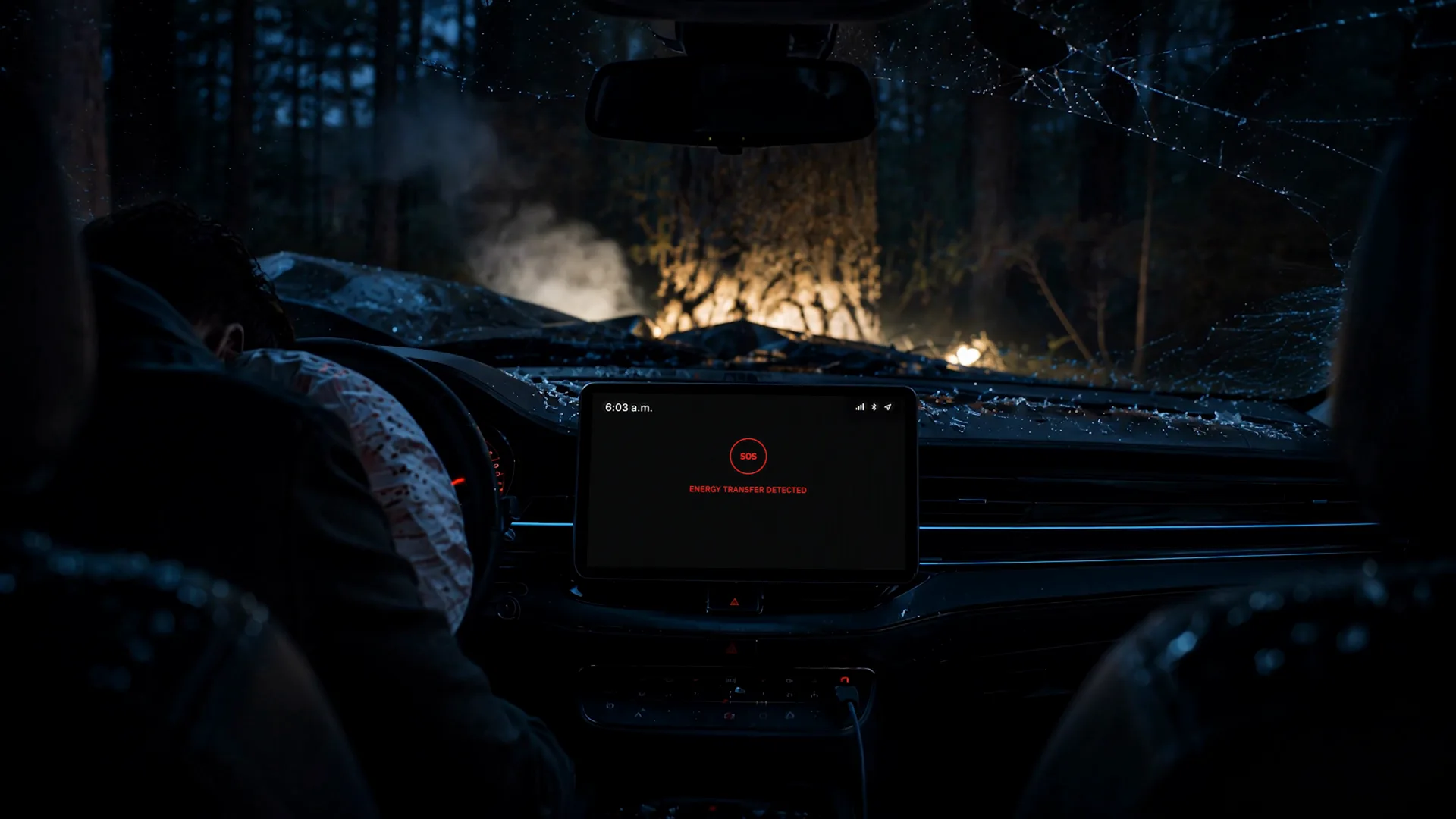
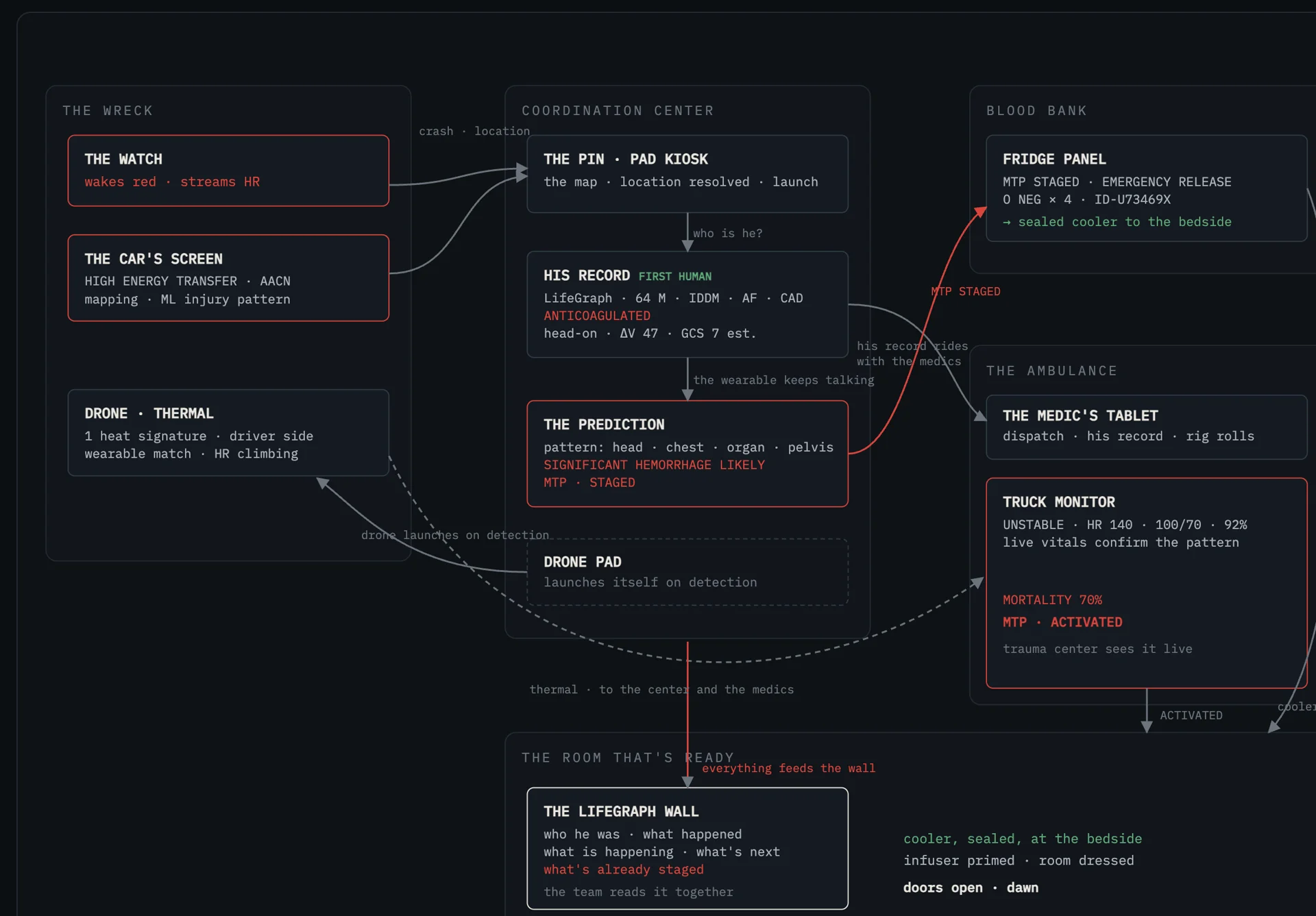
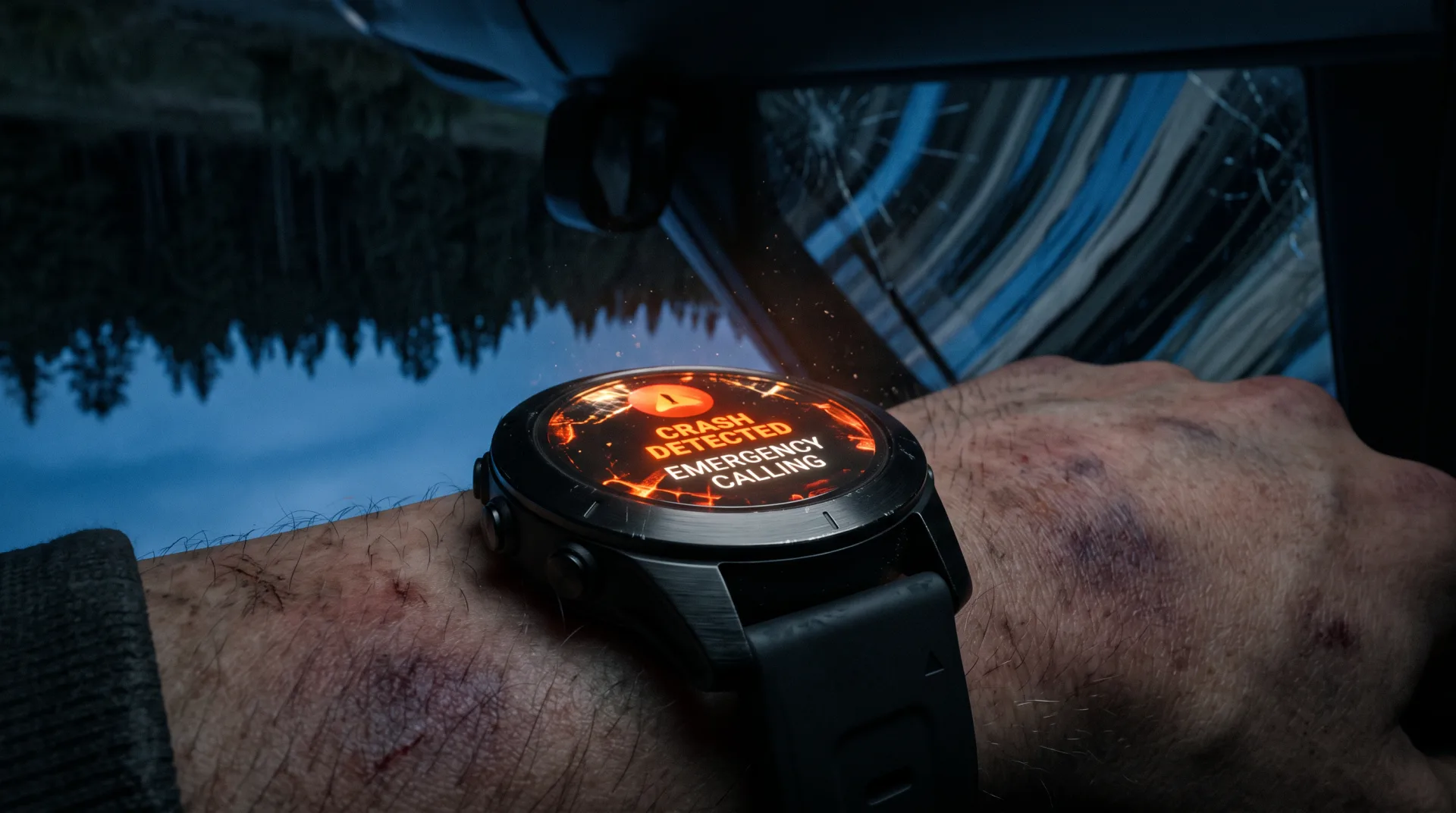
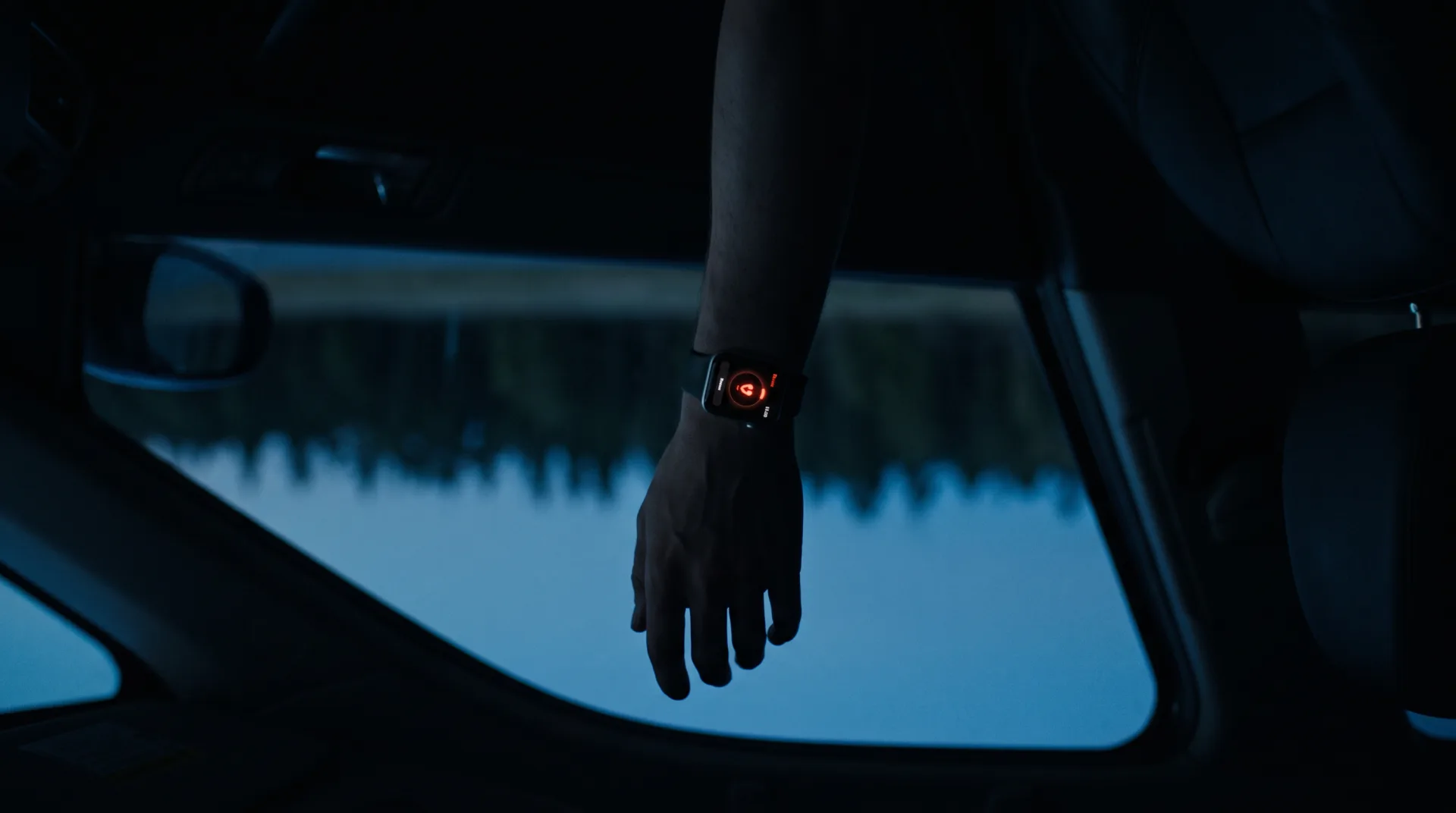
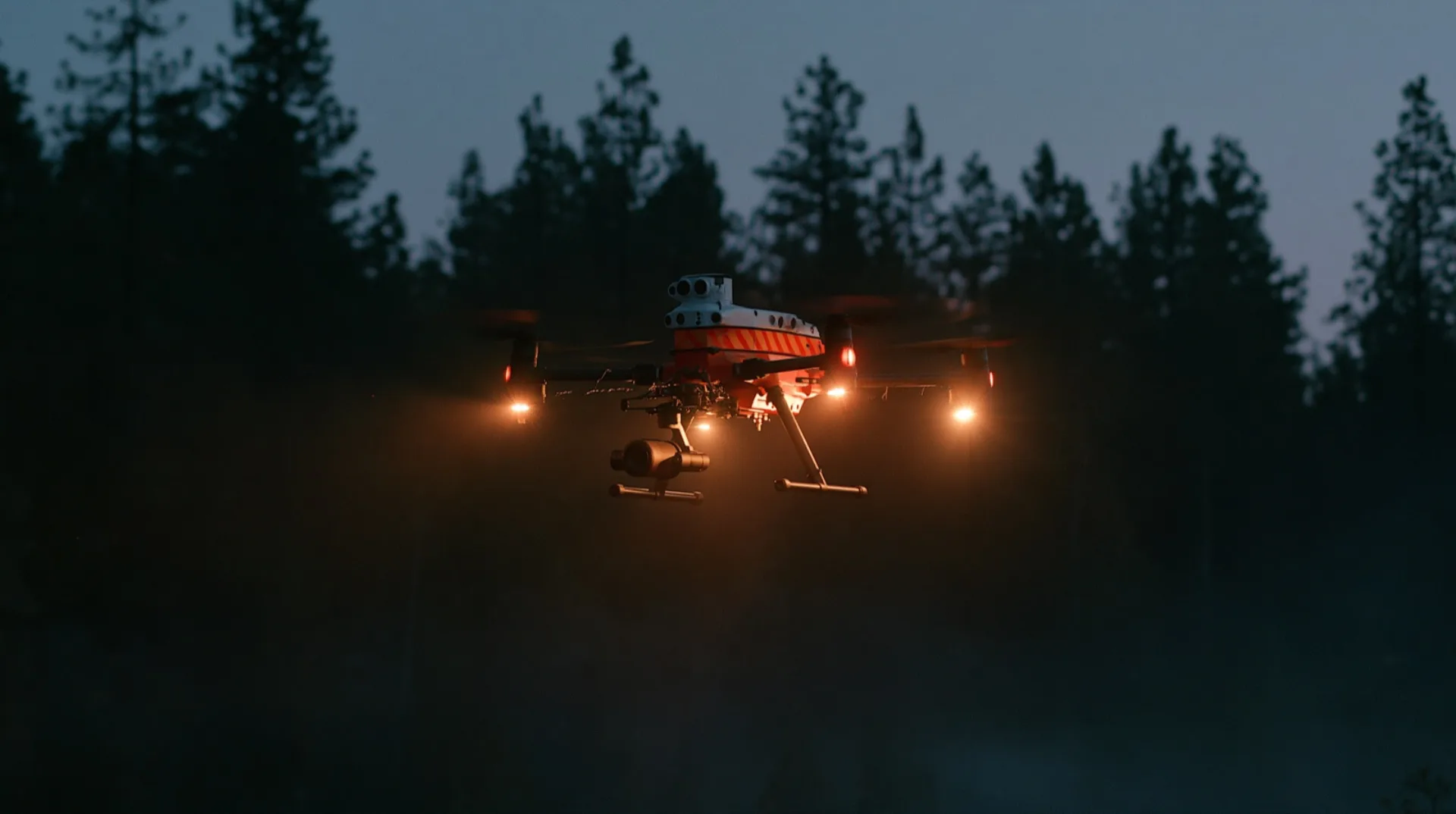
A 64-year-old man is driving alone on a rural road before dawn. A deer steps into the headlights, he swerves, and the car goes head-on into a pine. Nobody sees it. Then the response starts, and nobody presses a button. The car reports the crash. The watch on his wrist reports his body. A coordination center resolves his location and a drone lifts from its pad in the same instant. His record arrives with one word that matters: he is anticoagulated. The system predicts he will bleed and stages blood at the trauma center before any human has reached him. The drone finds him with a thermal camera. Medics arrive to a scene that is already lit, treat him in the ambulance while the trauma center watches the same numbers, and confirm the prediction. When the doors open, the room is ready and the blood is at the bedside. The film ends on one normal heartbeat.

Nobody speaks
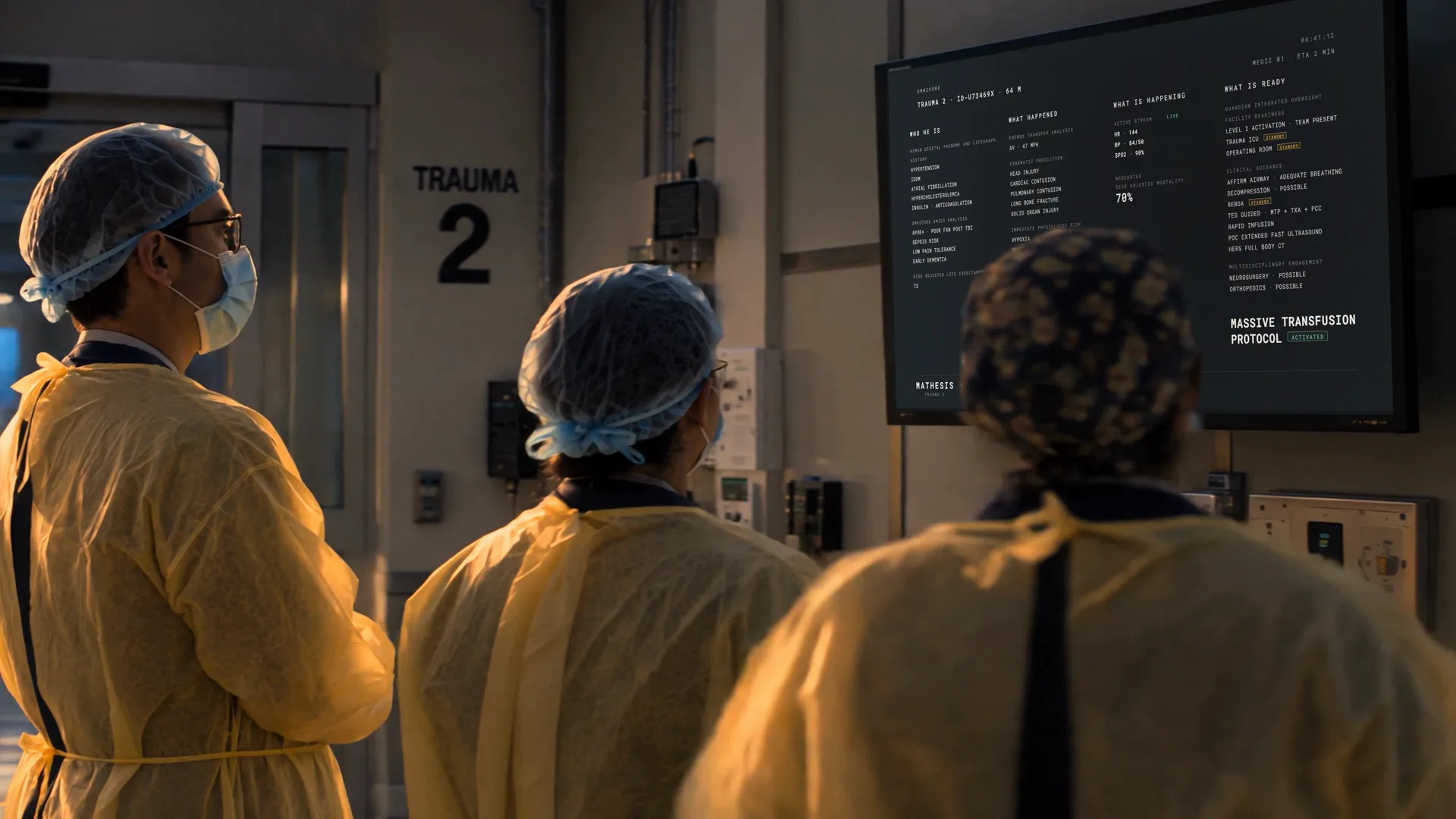
The information is the protagonist. Everything the audience needs arrives on a screen inside the story: a watch, a dashboard, a console, a tablet, a truck monitor, a wall. The camera selects what to read, and the patient's face is never shown. The storyboard carried radio lines for the medics, but at the first screening the cut played without them and neither of us missed them. There are no voices in the finished film.
That puts the weight on the screens. Each one was generated dark and blank, and every word was designed and animated by hand afterward, to read from the back of a thousand-seat room in about two seconds. One monospace typeface, all caps. Four colors with fixed meanings: bone white when the machine speaks, red for conclusions and danger only, green for confirmed and live, amber for staged and waiting. A thin bar fills only while the system is analyzing and vanishes when the answer lands. When the system concludes something, the evidence assembles first, and the conclusion lands alone.
Every cut is a consequence
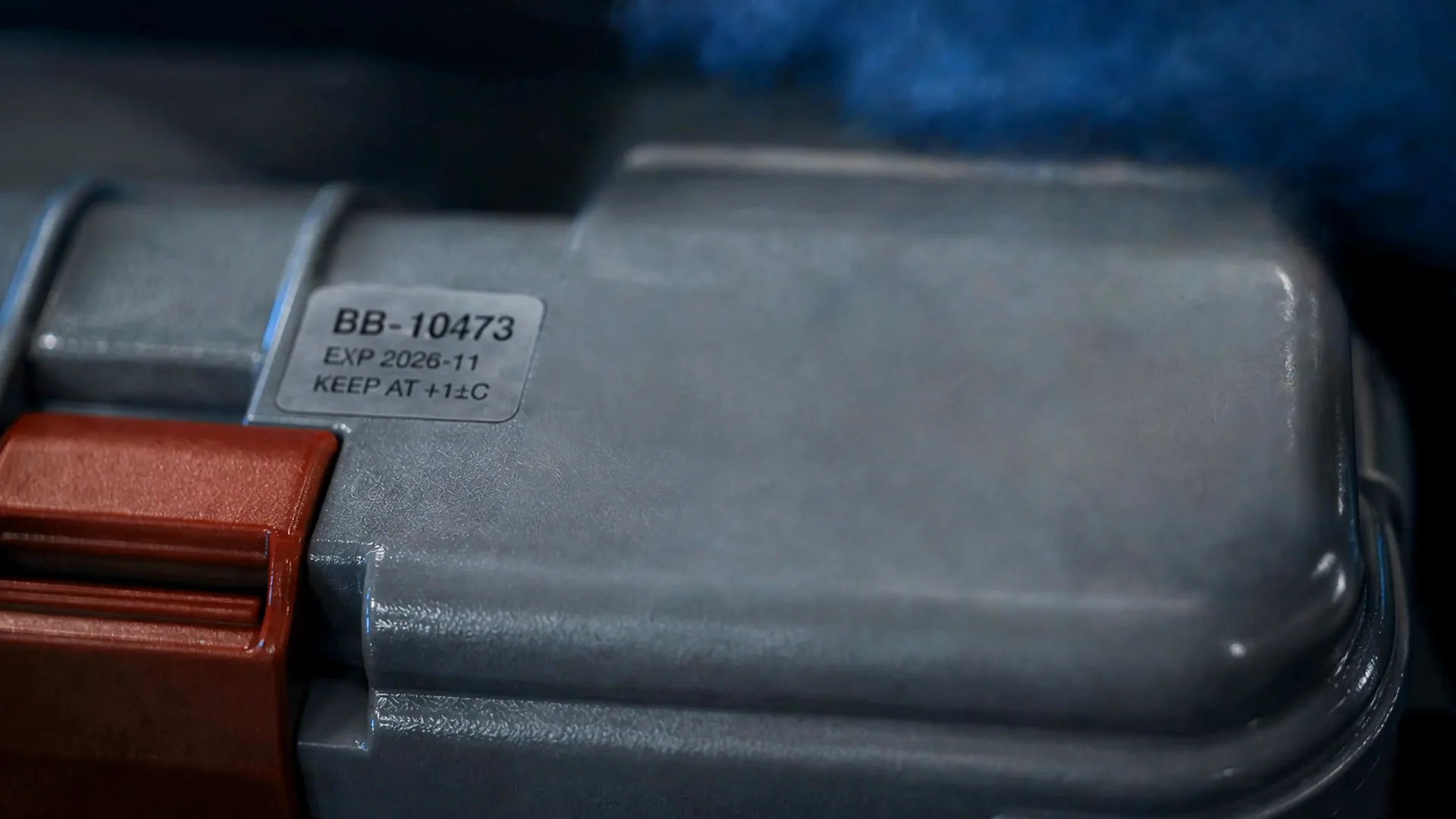
The film runs on two causal chains. The first is the blood: his record says he takes a blood thinner, so the system predicts hemorrhage, so it stages a transfusion protocol, so a sealed case leaves a refrigerator in another building, so it is waiting at the bedside when he arrives. The second is the crew: the crash mechanics, his record, and his falling vitals combine into three words on the medics' tablet, and that is what they roll on. Dr. Rotondo made the ruling that keeps the two apart. Anticoagulation drives the blood; mechanism and physiology move a crew.
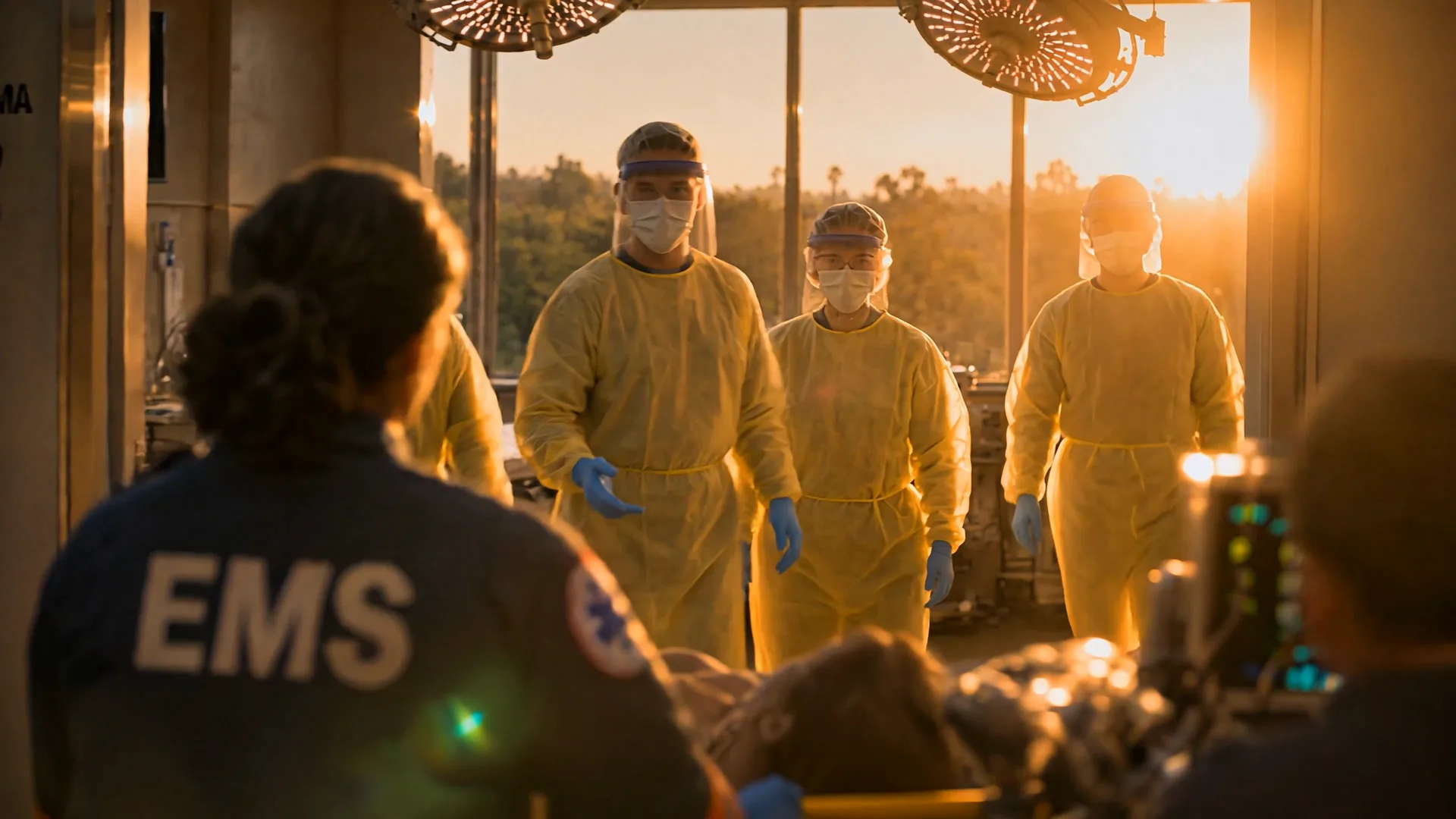
One rule held through every edit: a consequence sits next to its cause, and when two things happen because of one order, the cause has to be visible in the shot. When the trauma room wakes while he is still in the wreck, the wall display lands first with his name, and then the lights come on. Under all of it runs the heartbeat, which enters under the drive, is gone at impact, is found again by the drone's thermal camera, and is the last sound in the film.
Restraint over spectacle
Nothing in the film was photographed. Every shot was generated as a still first and animated only after it was approved. The system has no memory between shots, so the car, the road, the drone, the ambulance, the operator, and the light have to be rebuilt from reference every time. Each recurring object was designed once as a clean plate and carried into every shot it appears in. The rules were short and did not move: near future, five years out, so everything is the newest real version of itself and the future shows in what happens without a human, not in gadgets. No holograms, no glowing interfaces, no red cross, no canopy on the drone, because nothing human arrives first.
Light was locked to the pre-dawn blue hour for every exterior. The response in the film takes minutes, and a sky that changed between the crash and the ambulance would say hours. The one change in light is the last shot. Dawn comes through the trauma room window about an hour after the crash, which is how long the whole chain takes from the car reporting itself to the doors opening. It is the only place in the film where time passing is the point.
Working with a surgeon
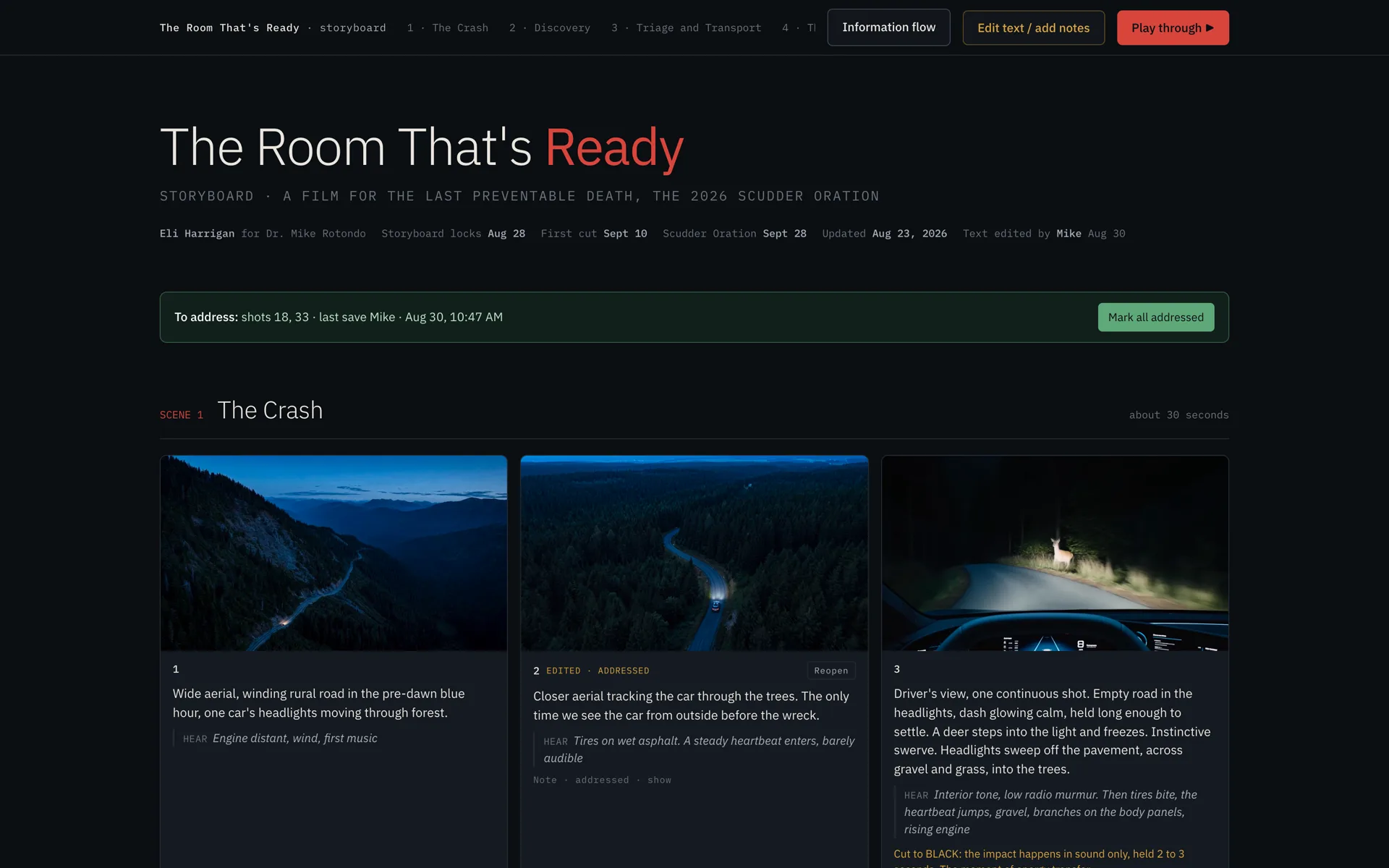
The audience is trained to spot anything false, and so is the client. Instead of storyboard PDFs, the board lived on a website built for the project. Each shot had its frame, what you see, what you hear, and the text on any screen. Dr. Rotondo could edit the screen text and leave notes directly on the page, every save was kept as a version, and a banner listed the shots his notes touched until each was cleared. His corrections went onto the board the same day, and the board's text became the film's screen text.
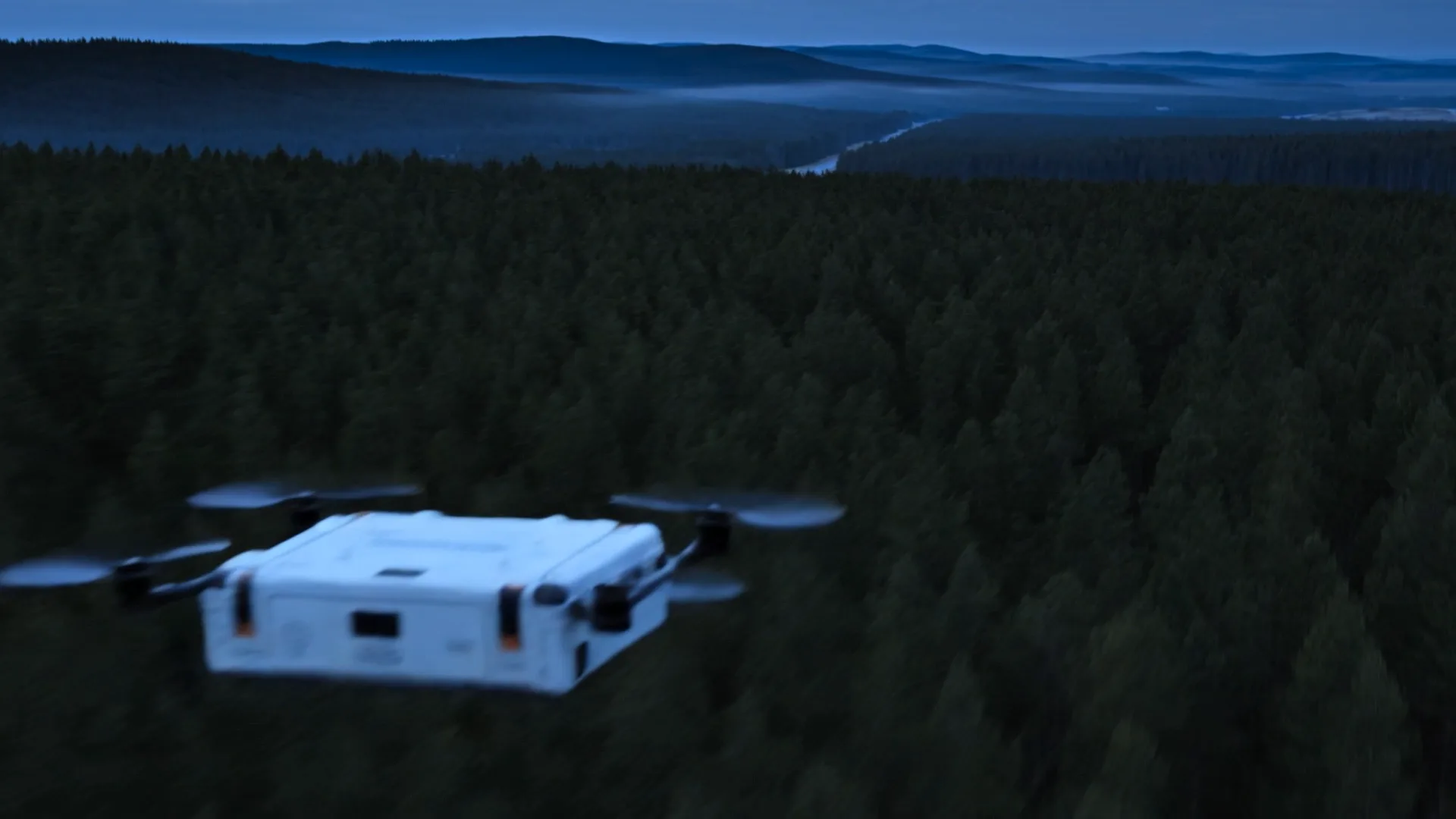
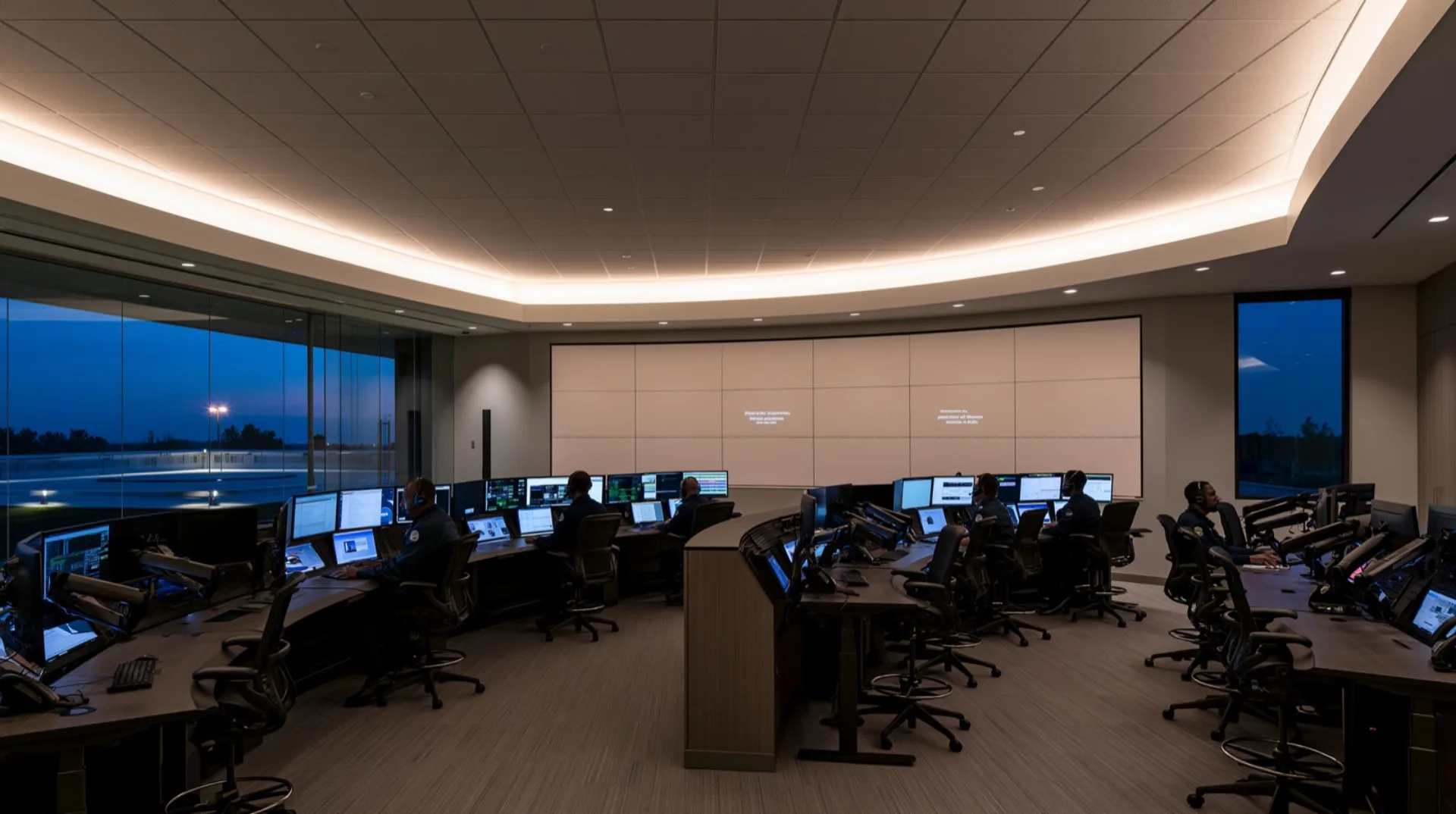
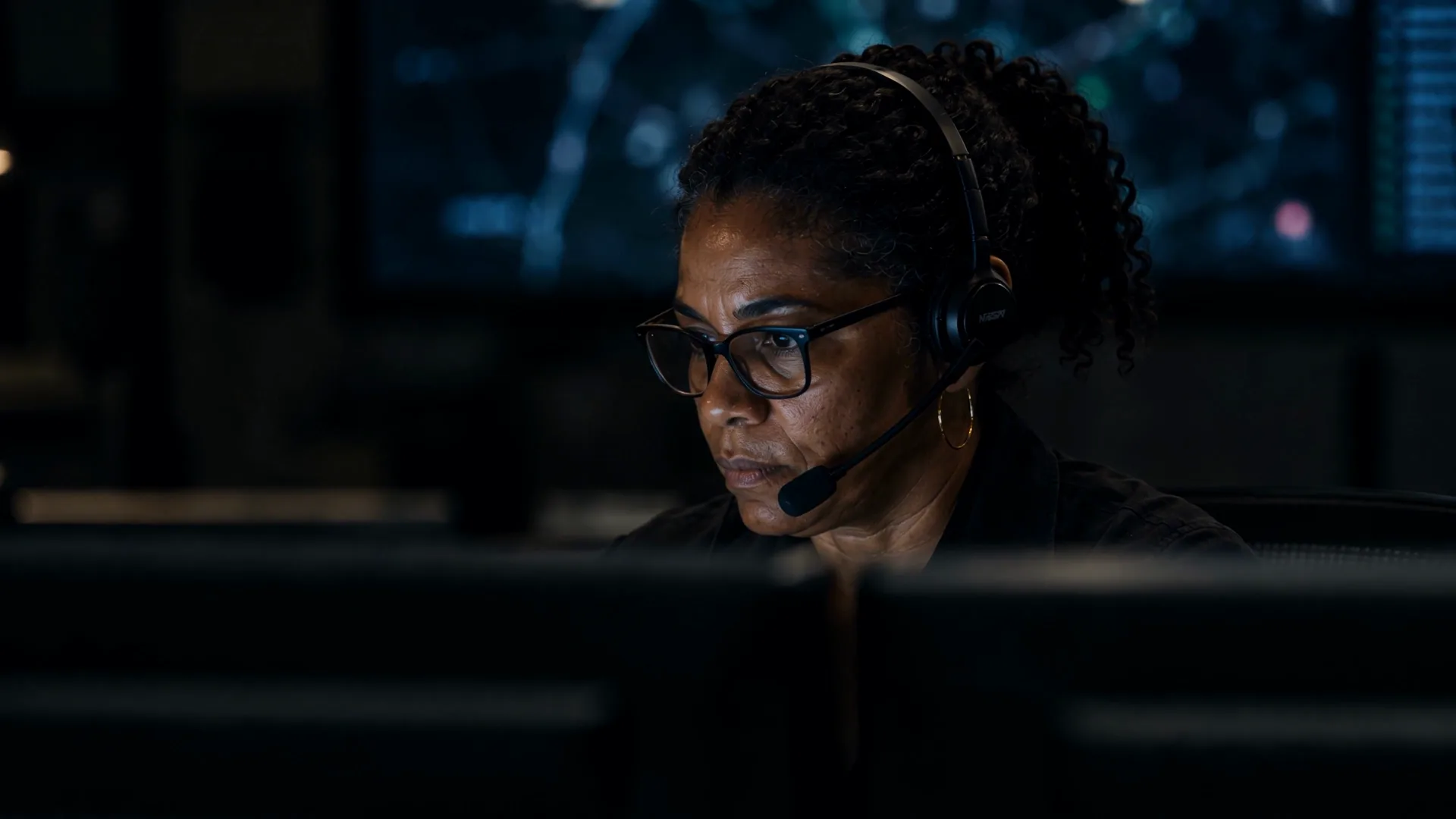
Three of his notes are visible in the finished film. The proof-of-concept drone was a white product-design box, and he asked for the aircraft fire departments actually fly. The first coordination center was a two-tier operations floor, and he pointed out that most real dispatch centers are the size of a closet; it became a small dark room where one tile on one console turns red and one operator leans in. The blood bank was a drawer of loose units, and he explained that a massive transfusion protocol is a sealed pack that nobody opens before the patient arrives, so the pack rides to the room and waits at the bedside unopened.
The screening
He watched the first cut twice in his office, then screened it cold for colleagues with no setup. They followed the argument and started adding to it, which was the result he wanted from the whole talk. Their notes became the last round: the six system names in his lecture labeled on screen in one wordmark, and six frames pulled from the film for the slides that follow it. There is no title card and no credit inside the film, so nothing stands between his slide and the road.
Made for Dr. Michael Rotondo, from his treatment. Directed, produced, and edited by Eli Harrigan.